
Risk Factors for Kidney Cancer You Should Know
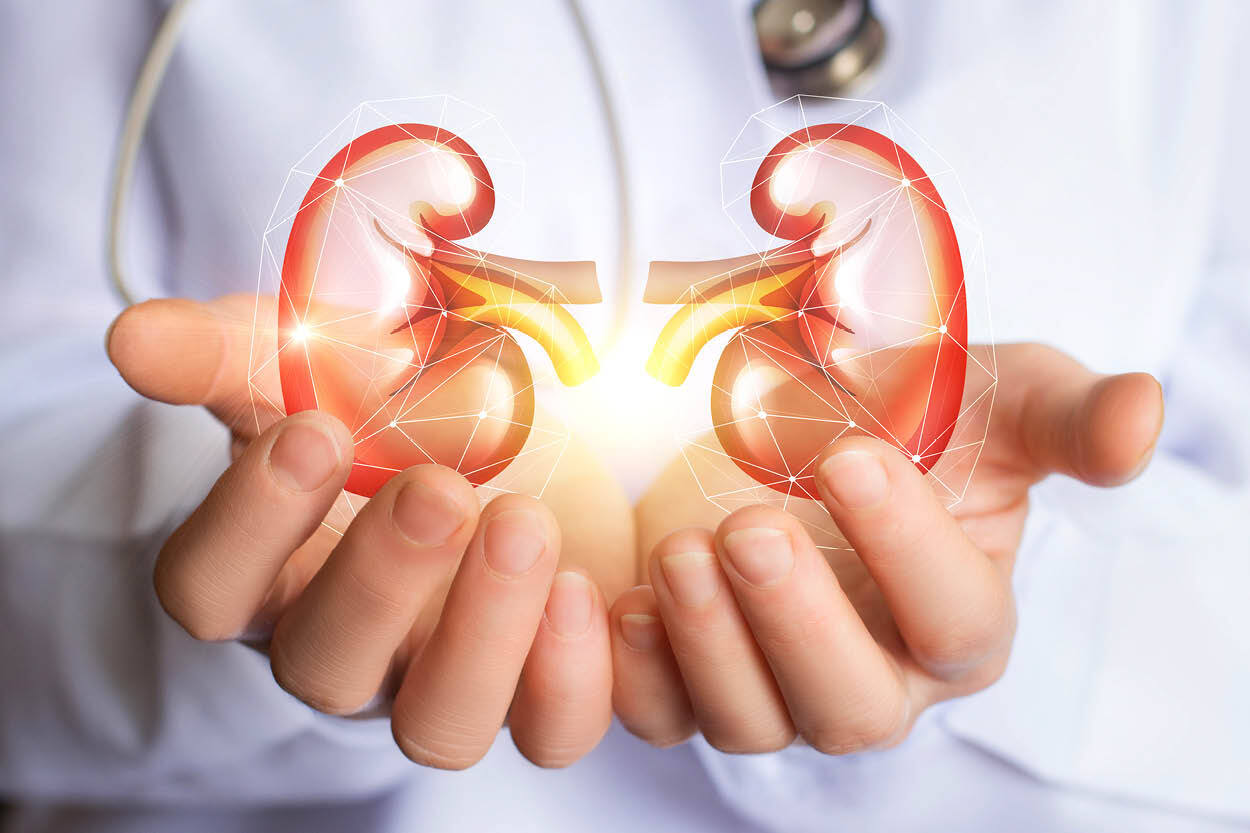
Kidney cancer starts when cells in the kidney begin growing out of control. And while no one expects to hear those words from their doctor, understanding what puts you at higher risk can give you something powerful: a head start.
Some risk factors are within your control, while others are not. What matters most is knowing what to watch for so you can act early.
The One Habit That Doubles Your Risk
Here's the truth: if you smoke, your chance of developing Kidney cancer is roughly twice as high as someone who doesn't. That's a significant jump. But here's the part people don't always hear: your risk starts dropping the moment you quit. And the longer you stay smoke-free, the more that number falls. It's never too late to make that change.
The Hidden Connection Between Weight and Cancer
Many people are surprised to learn that carrying extra weight does more than affect your daily energy. It can change your hormones and create conditions that make cancer more likely. Keeping a healthy weight is not just about how you feel or move. It is also an important way to protect yourself.
Why Long-Term Dialysis Patients Need Extra Attention
If you are on dialysis for kidney failure, your care team should pay close attention to your risk. Being on dialysis for a long time increases the chance of kidney cancer, so regular checkups and screenings are very important. If you are unsure how often you need to be screened, ask your doctor at your next visit.
Risk Factors You Can't Change (But Should Still Know About)
Some things that raise your risk are simply part of who you are, and that's okay. What matters is that you're aware of them.
Men are about twice as likely as women to get kidney cancer. The risk also goes up with age, and most cases are found after age 65. If a close family member was diagnosed, especially when they were young, your risk may be higher. Some inherited conditions, such as von Hippel-Lindau disease, can also increase risk.
Ethnicity also plays a role. African Americans and Native Americans are diagnosed with kidney cancer more often than other groups. While you cannot change your genetics, you can use this information to get screened earlier and more often.
The Bottom Line: Knowledge Is Your Best Defense
Having one or more risk factors doesn't mean you'll develop kidney cancer. But it does mean paying attention is worth your time.
Listen to what your body is telling you. Don't brush off symptoms like blood in your urine, persistent pain on one side of your lower back, unexplained weight loss, or fatigue that just won't let up. These are signals worth taking seriously.
Have Questions About Your Risk? We're Here for That.
If you are worried about family history, are on dialysis, or just want to know your risk, the team at Arizona Blood & Cancer Specialists can help. Call us today to discuss your personal risk and learn which screenings are right for you.